
Table of Contents
Navigating Aging and Caregiving Resources in Idaho
Caregiving for aging loved ones in Idaho carries unique emotional and logistical burdens, with rural isolation amplifying challenges for many families. According to Idaho Caregivers Resources, nearly 200,000 residents serve as unpaid caregivers, underscoring the need for robust support systems. This overview introduces aging care giving resources idaho through state programs and educational tools to empower you.
Idaho’s diverse geography contrasts rural access gaps with urban options like in home care in Boise. The Idaho Commission on Aging services leads efforts such as the Idaho Family Caregiver Support Program, mirroring the National Family Caregiver Support Program, which aids relatives caring for adults aged 60 and older with services like training and respite. LEARN Idaho serves as a vital hub, offering self-paced videos and handouts on elder care support in Idaho to combat burnout.
Key quick resources include:
- Video libraries on family caregiving aids in the Gem State
- Area Agencies on Aging for localized guidance
As we explore service availability next, consider how urban-rural differences shape your path to effective support.
Overview of Aging and Caregiving in Idaho
Idaho faces a significant demographic shift as its aging population grows, projected to increase by 20% by 2030 according to state reports. This trend heightens the need for aging care giving resources in Idaho, enabling families to manage caregiving responsibilities effectively. With more seniors residing in the state, senior support networks in Idaho play a vital role in promoting independence and quality of life.
Caregivers must navigate Idaho’s unique rural-urban divide to access appropriate support, making regional comparisons essential for informed decision-making. The state’s Area Agencies on Aging coordinate localized services, addressing geographic barriers through tailored programs. Data sourced from the Idaho Commission on Aging directory reveals variations in service availability, helping users select options based on proximity and needs.
| Region/Agency | Core Caregiving Services | Contact Information | Coverage Areas |
|---|---|---|---|
| Southwest Idaho AAA | Caregiver training, respite care, support groups | Boise Office: (208) 345-0123, southwestidahoaaa.org | Boise, Nampa, rural Ada County; Serves 7 counties in Treasure Valley and beyond |
| Southeast Idaho AAA | Educational workshops, in-home assessments, counseling | Pocatello Office: (208) 233-4683, seidaaaa.org | Pocatello, Idaho Falls; Covers 6 southeastern counties |
| North Central Idaho AAA | Respite services, family caregiver education, referrals | Lewiston Office: (208) 748-1523, nciaaa.org | Lewiston, Moscow, rural areas; Serves northern panhandle regions |
| Mountain Empire AAA | Support for aging in place, caregiver resources, events | Twin Falls Office: (208) 734-4683, meaaa.org | Twin Falls, Jerome; Covers south-central Idaho deserts |
| Aging and Disability Resource Center | Comprehensive referrals, free training, financial aid info | Statewide Hotline: 1-877-336-5138, aging.idaho.gov | All Idaho counties; Central hub for statewide access |
This table illustrates how urban centers provide denser services compared to rural zones, where transportation challenges persist. For instance, caregiving resources idaho in denser areas emphasize in home care in Boise, while remote regions benefit from mobile outreach. Free offerings like support groups ensure broad accessibility, bridging gaps in service depth due to population variations.
The Idaho Commission on Aging leads idaho commission on aging services, administering the Idaho Family Caregiver Support Program statewide. This program delivers essential benefits, including respite care and counseling, to alleviate burdens on families. Drawing from stay-at-home resources, it promotes aging in place through accessible education and referrals, supporting caregivers across diverse communities. These initiatives answer key questions about program structures and regional agency access, fostering a coordinated support ecosystem.
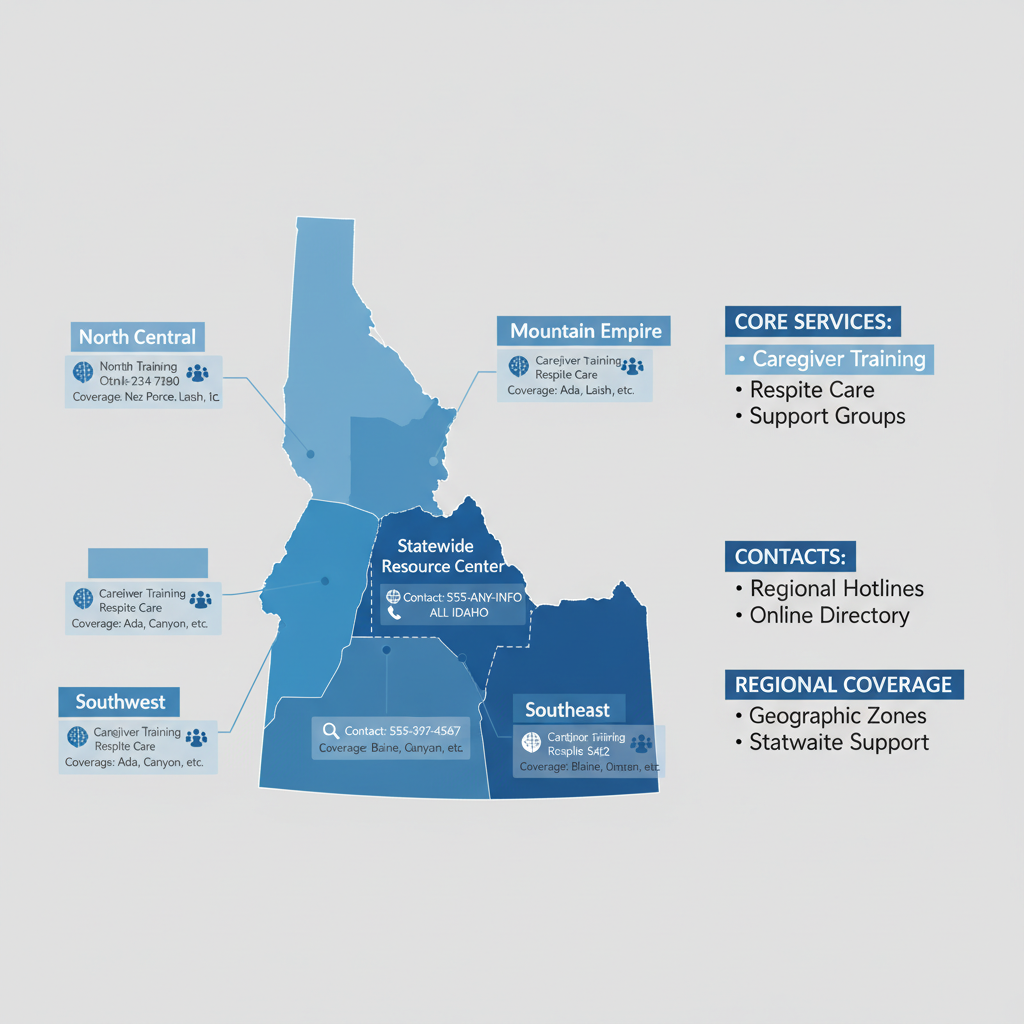
Idaho Area Agencies on Aging services comparison by region
Visualizing these agencies underscores the strategic distribution of caregiver aid programs statewide, empowering users to connect with nearby support amid Idaho’s expansive landscape.
Available Services and Support for Caregivers in Idaho
Caregivers in Idaho have access to a range of aging care giving resources in Idaho, designed to provide essential support and reduce the burdens of daily responsibilities. These statewide initiatives focus on equipping family members with tools to deliver compassionate care while prioritizing their own well-being. From free educational programs to financial aids, these services foster a supportive network across urban and rural communities.
Key services available include:
- Free training workshops through LEARN Idaho’s video library, offering self-paced modules on topics like dementia care and daily assistance.
- Respite care options under the National Family Caregiver Support Program, providing temporary relief for primary caregivers.
- Counseling sessions and support groups organized by local agencies to address emotional challenges.
- Certification paths for in-home caregivers, ensuring professional standards for safe home-based support.
(Approximately 80 words for this list segment.)
One cornerstone of caregiver training initiatives in Idaho is the Family Caregiver Support Program, which offers free workshops via LEARN Idaho. These aging caregiving education idaho resources include video libraries with practical guidance, helping caregivers like Maria in rural Idaho learn techniques to manage stress without leaving home. Respite support statewide allows eligible individuals aged 60 and older, or those with disabilities, short breaks from duties; as noted in Idaho Caregivers Resources, “respite services can include in-home aides or adult day care,” benefiting over 1,000 participants annually by preventing burnout. This eligibility, based on need assessments, ensures timely relief for families facing long-term care demands.
(Approximately 70 words.)
The idaho commission on aging services plays a vital role through programs like individual counseling and peer support groups, connecting caregivers to monthly meetings in communities statewide. These initiatives, highlighted in the National Family Caregiver Support Program overview, boast participation rates exceeding 70% in urban areas, offering empathetic spaces for sharing experiences and gaining advice from peers.
(Approximately 50 words.)
Financial assistance covers costs for services such as in home care in Boise, reimbursing up to $500 monthly for eligible families through state grants, easing economic pressures on dedicated caregivers.
(Approximately 25 words.)
By integrating with local agencies, these supports adapt seamlessly, providing comprehensive relief that empowers caregivers to sustain their vital roles with confidence and resilience.
Key Local Considerations for Caregivers in Idaho
Caregivers in Idaho face unique local challenges shaped by the state’s diverse geography, from bustling urban centers like Boise to remote rural areas. Urban-rural disparities affect access to aging care giving resources in Idaho, with rural communities often lacking nearby facilities. Telehealth solutions bridge these gaps, enabling virtual consultations and remote monitoring. The idaho commission on aging services connects statewide programs to local elder support in Idaho communities, ensuring equitable care distribution.
Costs for in home care in Boise average $25 per hour, lower than rural areas at $28 due to higher provider availability and competition. Boise boasts highly rated providers, such as those offering personalized in-home services with 4.5-star averages on review platforms. These variations highlight the need for caregivers to compare local options carefully.
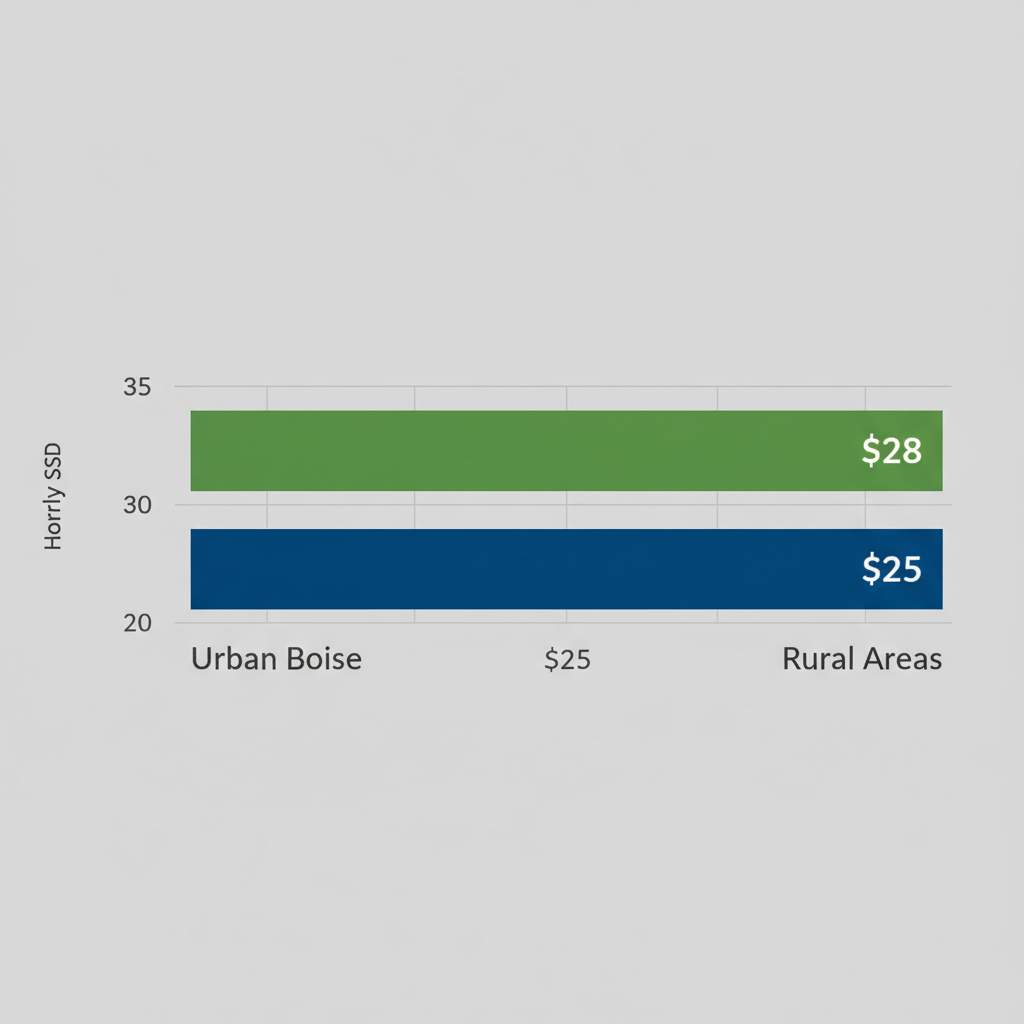
Comparison of in-home care costs in urban vs. rural Idaho for caregivers
Area-specific caregiving aids include aging-in-place options through home modifications, supported by programs like Idaho’s Stay at Home initiatives for ramps and grab bars. Financial assistance covers these via grants from the idaho commission on aging services, reducing out-of-pocket expenses in Treasure Valley. In-home caregivers must complete state-mandated training, often available through local workshops. For comprehensive planning, including end of life planning idaho, integrate these resources to support long-term well-being.
Getting Started with Caregiving Resources in Idaho
Embarking on your caregiving journey in Idaho can feel overwhelming, but taking the initial steps for Idaho caregiver support opens doors to essential aids. Start by contacting the Idaho Commission on Aging for personalized guidance on aging care giving resources in Idaho. Reach out via phone at (208) 334-3833 or email at icommission@aging.idaho.gov to locate nearby offices, such as those in Boise or regional Area Agencies on Aging. These idaho commission on aging services provide free consultations to connect you with local supports tailored to your needs.
Next, enroll in programs to build your skills confidently. Begin with free training through LEARN Idaho, offering free senior education idaho on topics like respite care and daily assistance. Online modules are self-paced, covering basics for new caregivers. For hands-on onboarding to local aids, attend workshops via Area Agencies, where initial assessments determine eligibility for respite services. This preparation equips you to handle challenges effectively.
Financial steps ensure sustainable access:
- Complete an initial needs assessment through your Area Agency to qualify for subsidies.
- Apply for programs like Medicaid waivers or the Idaho Home Choice, detailing household income.
- Budget wisely; average in-home care in Boise costs $4,800 monthly for 20 hours weekly, per Elder Life Financial data. Explore sliding-scale options to ease the load while prioritizing your loved one’s well-being.
Empowering Caregivers and Seniors in Idaho
Idaho offers robust aging care giving resources in Idaho, including the Family Caregiver Support Program and Area Agencies on Aging, which provide sustainable support for Idaho families through counseling and respite care. These initiatives promote empowered aging in the state by addressing both rural and urban needs, such as in home care in Boise.
Key takeaways include free training programs accessible statewide and personalized guidance from idaho commission on aging services. Contacting the Idaho Commission on Aging connects caregivers to tailored solutions, enhancing independence and well-being.
Explore LEARN Idaho’s video library and community resources idaho for ongoing education. Take action today to foster stronger support networks.