
Table of Contents
Caring for Aging Parents in Idaho
Caring for Aging Parents in Idaho is a growing responsibility as the state’s population ages, with over 200,000 Idahoans aged 65 and older according to state resources. Family caregivers often navigate emotional strains and practical demands, especially in rural areas where isolation can heighten challenges for supporting elderly relatives in Idaho.
Common hurdles include limited access to services and signs that aging parents need more care, such as memory loss or mobility issues. Legally, caregivers can explore boundaries around refusing care obligations, balancing ethics with personal well-being. The Idaho Family Caregiver Support Program offers vital assistance, including respite and training to ease these burdens.
For comprehensive guidance, explore aging care giving resources idaho through LearnIdaho.org, your hub for family caregiver support in Idaho and elder care resources in Idaho.
Key supports include:
- Financial aid programs
- Emotional counseling
- Senior care assistance statewide
This foundation prepares you for the upcoming area overview on tailored local strategies.
Overview of Elder Care in Idaho
Caring for Aging Parents in Idaho presents unique opportunities and challenges, especially with the state’s aging population. According to recent data from the Idaho Caregivers Resources, approximately 18% of Idaho residents are over 65, a figure expected to rise as baby boomers retire in this picturesque region. This demographic shift underscores the growing need for robust senior assistance programs statewide to support families navigating these transitions.
The cornerstone of family caregiver support in Idaho is the Idaho Family Caregiver Support Program, administered through the Idaho Commission on Aging. This initiative, aligned with the National Family Caregiver Support Program, offers essential services to those caring for loved ones aged 60 and older or with disabilities. Eligibility requires caregivers to be family members or close friends providing unpaid assistance, with no income restrictions for core benefits. Key offerings include respite care–temporary relief for caregivers through in-home aides or adult day programs–and counseling to address emotional stress. The program serves over 5,000 caregivers annually, providing training workshops, support groups, and supplemental services like home modifications. Financial aid through vouchers helps cover these costs, ensuring accessibility across diverse household situations.
Regional challenges in elder care resources in Idaho often stem from the urban-rural divide, where city dwellers enjoy more immediate access while remote areas face transportation hurdles. In northern Idaho, for instance, Coeur d’Alene hosts vital support groups addressing isolation, yet caregivers must stay vigilant against risks like isolation-induced vulnerabilities. Integrating elder abuse awareness idaho elder abuse awareness idaho into community resources helps mitigate potential harms through education on recognition and reporting.
Idaho’s diverse geography, spanning bustling urban centers like Boise to vast rural expanses in the south, significantly shapes how elder care services are delivered. Mountainous terrains and spread-out populations in areas like the Panhandle complicate logistics, yet state initiatives aim to bridge these gaps with mobile outreach.
| Resource Type | Boise Area | Northern Idaho (e.g., Coeur d’Alene) | Eastern Idaho (e.g., Idaho Falls) | Southern Idaho (e.g., Twin Falls) |
|---|---|---|---|---|
| Family Caregiver Support Programs | Full access to Idaho Family Caregiver Support Program with in-person training and respite care grants. | Limited in-person but strong telehealth options; grants available statewide. | Integrated with hospital networks; emphasis on end-of-life planning workshops. | Rural-focused mobile units for training; respite care prioritized. |
| Local Support Groups | Multiple weekly meetings via Idaho Caregiver Alliance; virtual options available. | Monthly gatherings through community centers; focus on rural isolation. | Bimonthly events at senior centers; partnerships with universities. | Quarterly fairs and online forums; emphasis on agricultural family dynamics. |
| Financial Assistance | State-funded vouchers up to $500/month; easy application through local AAA. | Same statewide vouchers; additional tribal support for Native communities. | Vouchers plus Medicare navigation services. | Vouchers with transportation aid for remote areas. |
This comparison reveals consistent statewide financial support, such as uniform vouchers, but highlights access gaps in in-person training for rural regions versus urban hubs. Data sourced from Idaho Commission on Aging reports (2023) shows regional variations tied to population density and infrastructure, emphasizing the need for tailored Idaho elder support networks to ensure equitable care.
While urban areas like Boise offer denser resources, rural southern Idaho benefits from mobile innovations that extend reach. These patterns inform caregivers on location-specific strategies, paving the way for deeper exploration of targeted services.
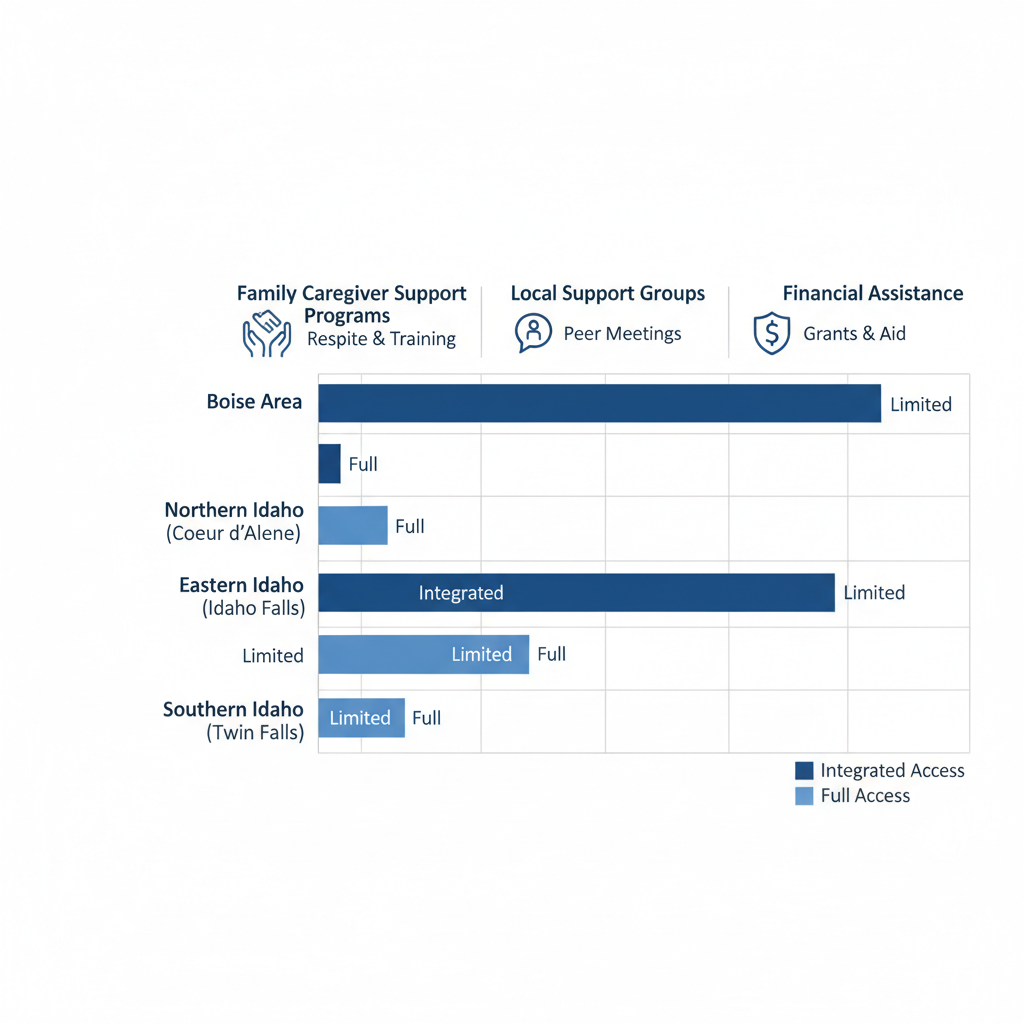
Elder care resources comparison by Idaho region
Transitioning to detailed service availability, families can leverage these foundational elements for personalized planning.
Available Caregiving Services in Idaho
Caring for aging parents in Idaho presents unique challenges, especially in rural areas, but statewide caregiving aids offer substantial relief. Families can access a variety of in-home support, financial aid, and professional training tailored to Idaho’s diverse landscapes. These services aim to empower caregivers, ensuring both loved ones receive quality care and providers maintain their well-being.
Key services include:
- In-home assistance from home health aides for daily tasks like bathing and meal preparation.
- Respite care to give family members temporary breaks.
- Counseling and educational workshops on managing stress and health needs.
The Idaho Family Caregiver Support Program provides essential family caregiver support in Idaho through respite grants up to $1,000 annually and individual counseling sessions. This program, administered by Area Agencies on Aging, also offers training on topics like dementia care and fall prevention, helping caregivers build confidence in their roles.
Financial assistance options under Idaho family assistance programs include paid caregiving pathways for eligible relatives. For instance, the Kinship and Caregiving initiative allows Medicaid-funded compensation for family members meeting income and care level criteria, quoting eligibility for those providing at least 20 hours of weekly support. Local support groups, coordinated by the Idaho Caregiver Alliance with over 50 chapters statewide, foster community connections. These groups often cover elder care resources in Idaho, such as safety measures, including elder abuse prevention resources to protect vulnerable seniors.
To access these services, follow these steps:
- Contact your local Area Agency on Aging via 211.
- Complete an eligibility assessment.
- Enroll in the desired program.
Consider the story of a Boise family who used respite grants to hire temporary help, allowing them dedicated time to recharge while ensuring their parent’s comfort at home.
Key Considerations for Caregiving in Idaho
Caring for aging parents in Idaho presents unique challenges, from vast rural landscapes to tight-knit cultural communities. Idaho-specific care challenges often amplify feelings of isolation for family members navigating daily responsibilities. Urban areas like Boise offer more services, but rural spots in the north face longer travel times for medical help, heightening stress for caregivers.
Legal aspects require careful attention when supporting elders in Idaho. Families can explore advance directives to outline future wishes, including end of life planning idaho. Elder care resources in Idaho, such as those from the National Family Caregiver Support Program, provide guidelines on setting boundaries, like respectfully refusing certain care roles if needed–always consult professionals for personalized advice. Culturally, Idaho’s diverse groups, including Native American families, emphasize communal support and traditions, influencing decisions around home-based care.
Watch for signs that care needs escalation, such as frequent falls, memory lapses, or withdrawal from activities. The emotional toll can feel overwhelming, but local family support factors help. Consider:
- Joining family caregiver support in Idaho through community groups for shared experiences.
- Accessing counseling to manage burnout and guilt.
These steps build resilience, paving the way for effective planning ahead.
Steps to Begin Caregiving for Your Parents in Idaho
Starting family care in Idaho requires thoughtful preparation to ensure the well-being of your loved ones. For those focused on caring for aging parents in Idaho, these initial senior support steps provide a clear path forward, beginning with assessment and leading to essential resources.
- Assess Needs: Begin by evaluating your parents’ health and daily requirements. Look for signs of escalation like mobility issues or memory lapses. Utilize elder care resources in Idaho to identify potential needs, and consider scheduling advance care planning boise for guided consultations that outline future preferences.
- Contact Local Agencies: Reach out to Idaho’s Area Agencies on Aging, especially in rural areas like those near Coeur d’Alene. These organizations offer guidance on available services and can connect you with professionals for personalized advice.
- Apply for Programs: Explore family caregiver support in Idaho through the Kinship and Caregiving program. Submit an online application via the Idaho Department of Health and Welfare website, providing details on your situation to qualify for paid caregiving options and stipends.
- Find Support Groups: Join local or online groups tailored to caregivers in Idaho. These communities provide emotional outlets and practical tips from others navigating similar challenges.
- Schedule First Consultations: Arrange meetings with healthcare providers or social workers. Prepare questions about care plans and document discussions to build a strong foundation.
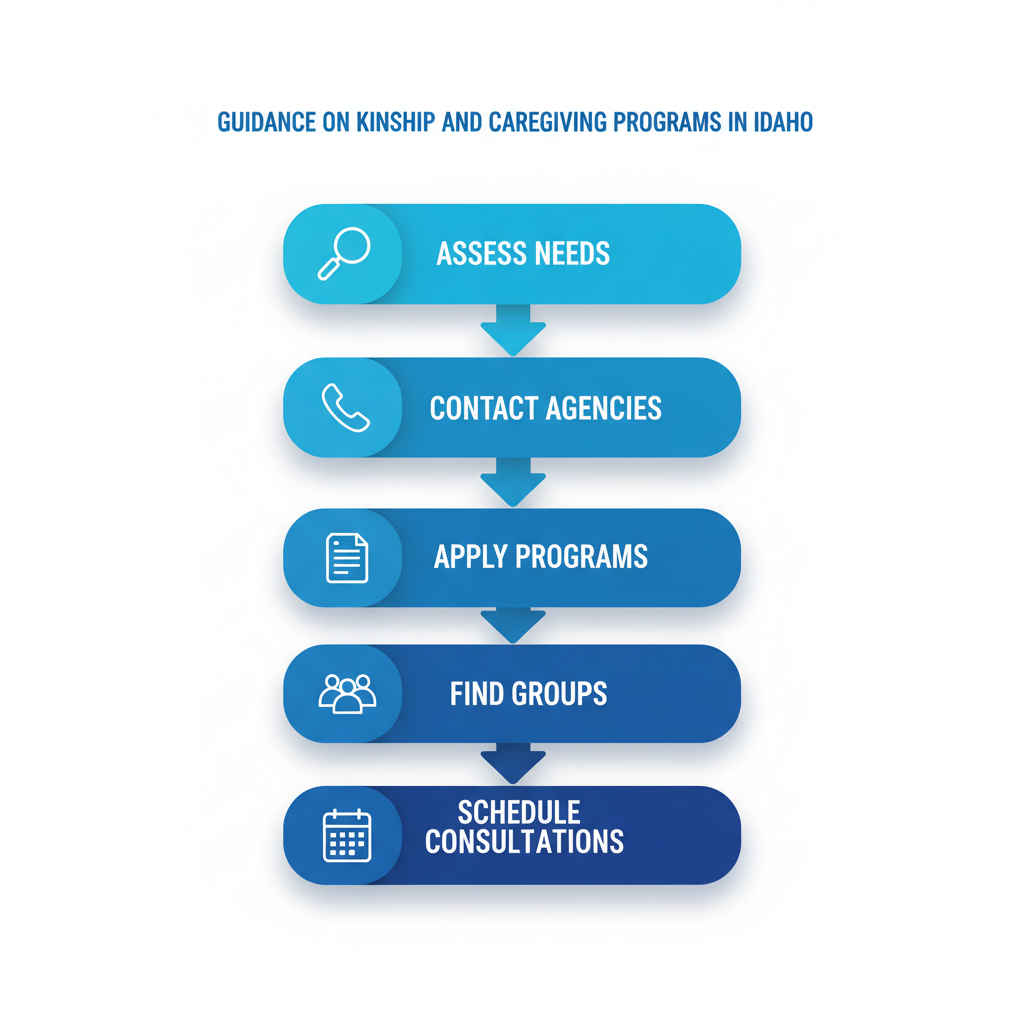
Five essential steps to start caregiving for parents in Idaho
These steps empower you to begin confidently. For free educational resources, visit LearnIdaho.org to access videos and guides on caregiving essentials.
Next Steps in Your Caregiving Journey in Idaho
Caring for Aging Parents in Idaho involves accessing key programs like family caregiver support in Idaho and elder care resources in Idaho. Prioritizing self-care ensures sustained senior assistance while planning early improves outcomes for your loved ones.
Take action today: Contact the learn idaho members introduction for professional connections and explore ongoing Idaho care support through the Idaho Caregiver Alliance. Reach out to local supports in your area for personalized guidance.
As your ongoing educational partner, LearnIdaho.org offers free resources and training to empower your journey. Consider a donation to sustain these vital services for Idaho caregivers.